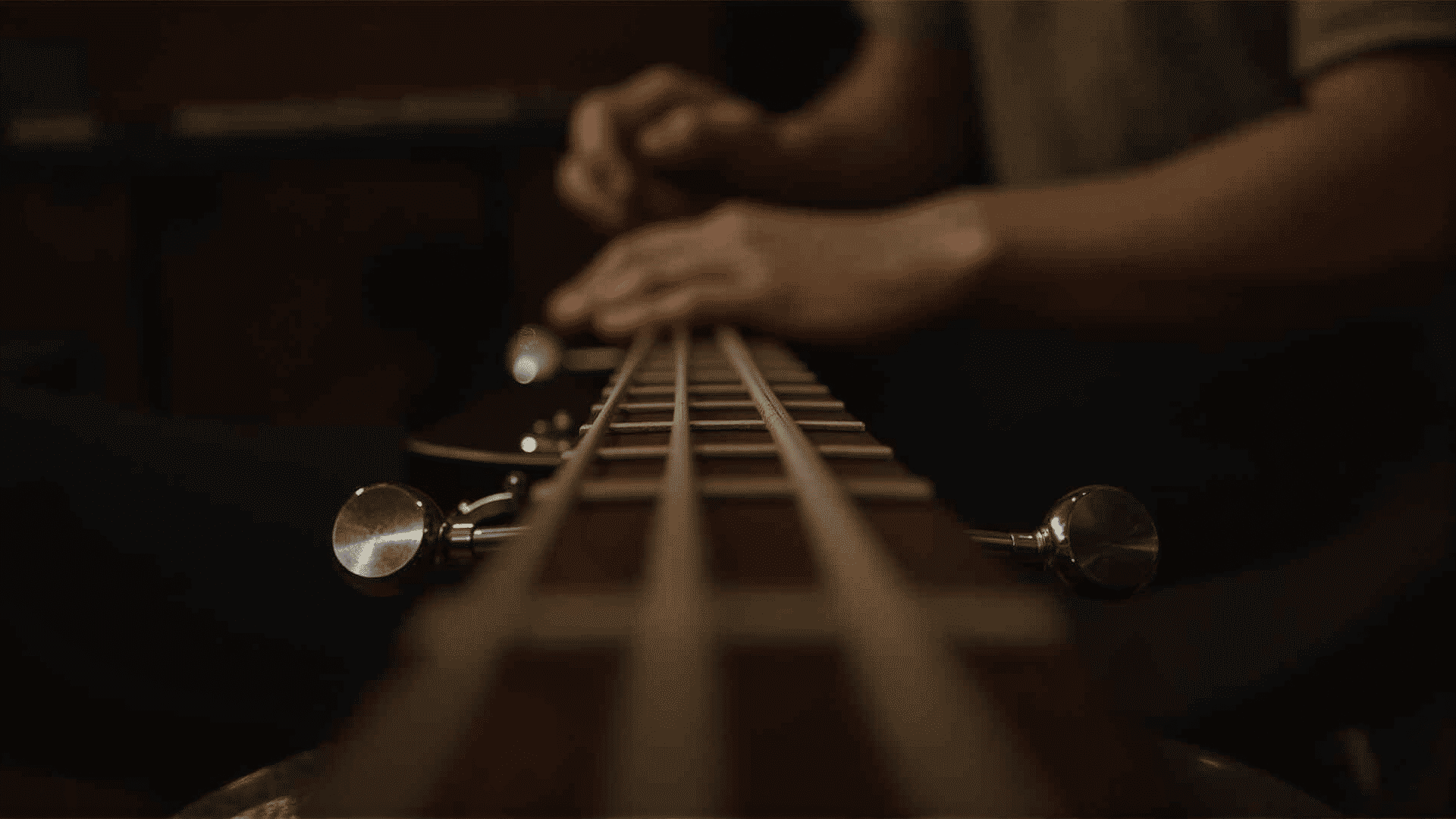
In the expansive world of music production, few elements can transform a track as significantly as a well-crafted bassline. It's the foundation that not only provides rhythmic support but also adds texture and depth to a composition. Whether you are working on electronic music, rock, jazz, or any other genre, a compelling bassline can elevate your tracks to new heights, creating an engaging and memorable musical journey.
Understanding the Role of the Bassline
Before delving into the intricacies of creation, it's crucial to understand the role a bassline plays. A bassline is essentially the bridge between rhythm and harmony. It provides the groove while supporting the chordal structure, ensuring that the track flows seamlessly. A strong bassline can anchor the song, guiding the listener through the changes and maintaining the track's energy.
Finding the Right Groove
Every great bassline begins with a sense of groove. This groove fits into the broader rhythm of the piece, interacting with the drums and other percussive elements. To find the right groove, listen closely to the rhythmic cues in your track. Experiment by playing along with different rhythmic patterns and note lengths. Often, simplicity is key—sometimes, the most effective groove is the one that leaves space for other instruments.
Harmonizing with Chords
While the rhythm is important, harmonizing with the underlying chords is equally critical. A bassline should complement the harmonic structure, enhancing the overall tonal quality of the track. Start by identifying the chord progressions and choosing notes that emphasize the root, third, or fifth of the chord. From here, explore passing tones and other intervals to create movement and variety.
Creating Melodic Interest
A great bassline not only stands strong rhythmically and harmonically but also introduces melodic elements. Unlike the lead melody, which often sits in the higher register, the bass can weave a melody in its own lower register, contributing to the track's emotional impact. Use scale notes and explore melodic contours, creating lines that are catchy without overwhelming the primary melody.
Experimenting with Techniques
A range of techniques can be employed to craft compelling basslines. Consider using slides, hammer-ons, and pull-offs to add expression and flair. Muting techniques can also infuse a track with a tight, percussive feel. Don't shy away from experimenting with different picking or plucking styles to discover unique textures that enhance your track.
Leveraging Technology
In today’s digital age, producers have access to a plethora of tools and resources. Use digital audio workstations (DAWs) to craft, edit, and perfect your basslines. Virtual instruments and plugins can expand your sonic palette, offering various bass sounds—from gritty synth basses to authentic electric bass guitar samples.
Polishing with Effects
The right effects can add just the right touch to your bassline. Consider tools like compression and equalization to balance the dynamics and frequencies, ensuring your bass sits well in the mix. Modulation effects like chorus can add depth, while overdrive or distortion can introduce an edge to your sound. Always aim for enhancements that serve the music, rather than overloading it with unnecessary effects.
Listening and Learning
Lastly, one of the most effective ways to master the art of crafting basslines is through listening. Dissect the basslines in your favorite tracks, pay attention to how they interact with the rest of the instrumentation, and draw inspiration from a variety of styles and genres. Consider the techniques used and how they contribute to the song's overall impact.
In conclusion, creating the perfect bassline is both an art and a science, requiring a delicate balance of creativity, technical skill, and an understanding of musical structure. With practice and exploration, you can develop your own style, creating basslines that add depth, groove, and personality to your music. Embrace the process, and let your basslines be the foundation that strengthens and enriches your musical compositions.