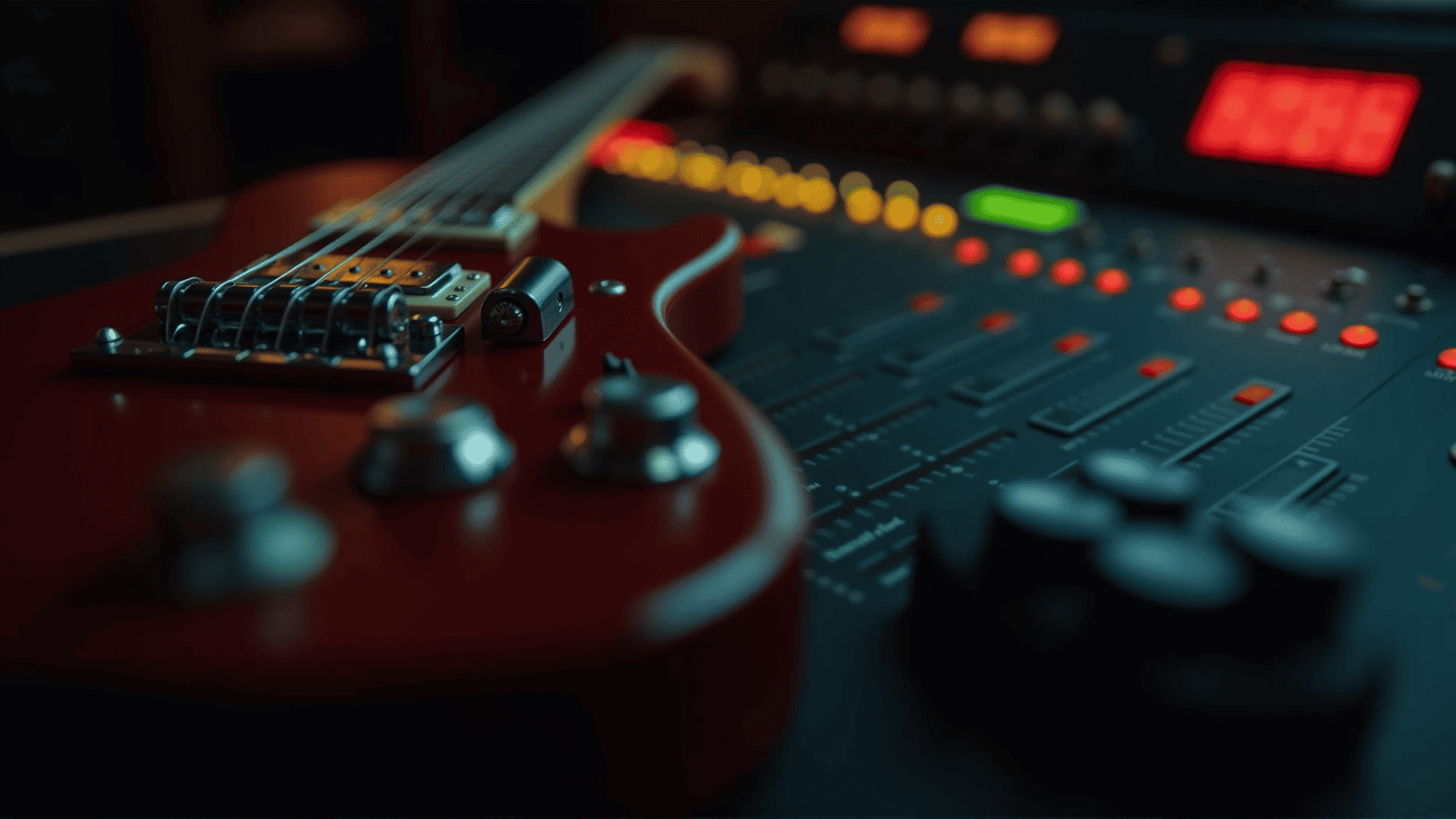
Equalization (EQ) is a powerful tool in the realm of audio production, serving as the secret ingredient behind the polished sound of professional guitar tracks. By mastering EQ techniques, you can elevate your guitar sound to new heights, ensuring that it cuts through the mix with clarity and precision. Here’s how you can harness the art of EQ to enhance your guitar playing and recording.
Understanding EQ Basics
Before diving into intricate techniques, it's crucial to understand the basics of EQ. At its core, EQ allows you to adjust the amplitude of specific frequency ranges within an audio signal. Guitars typically cover a wide frequency range, and adjusting these frequencies helps in achieving a sound that fits seamlessly with other elements in a track.
Identifying Key Frequency Ranges
1. Low-End (60 - 250 Hz): This range is critical for warmth and body. However, too much can muddy your mix. Employing a low-cut filter or gently reducing the lower frequencies can prevent the guitar from clashing with bass instruments.
2. Low-Mid (250 - 500 Hz): This is where problematic ‘mud’ often accumulates. A slight cut in this range can enhance clarity and prevent a boomy sound.
3. Midrange (500 Hz - 2 kHz): A pivotal area for the guitar, shaping its presence in the mix. Boosting around 1 kHz can make the guitar stand out, but be careful to maintain a balance to avoid a honky or nasally tone.
4. High-Mid (2 - 6 kHz): This range impacts the attack and definition. Emphasizing these frequencies can help the guitar articulate clearly, ensuring individual notes are discernible.
5. High-End (6 - 20 kHz): Controls the brilliance and airiness. Gentle boosts can add sparkle, though restraint is advised to evade an overly harsh or brittle sound.
Practical EQ Techniques
1. Use Subtractive EQ:** Begin with subtractive EQ to tame unwanted frequencies. By removing problematic frequencies, you can enhance the natural tone of the guitar without introducing harshness.
2. Carving Out Space:** Ensure that the guitar sits well in the mix by carving out frequencies that might interfere with vocals or other instruments. This often means making minor adjustments to the midrange to create space for all elements in your track.
3. Use High-Pass Filters (HPF):** Apply an HPF to eliminate unnecessary low frequencies, especially if your guitar is competing with a bass or kick drum. Setting the HPF between 80-120 Hz is a good starting point, but adjust based on your specific mix requirements.
4. Consider the Context:** Always tweak EQ settings in the context of the full mix, rather than in isolation. This helps ensure that your adjustments help the guitar interact well with other instruments and contribute to a cohesive sound.
Tips for Different Genres
Rock and Metal: Require a tighter low-end with a boosted presence in the higher mids for aggressive attack and definition.
Jazz and Blues: Benefit from warmer, richer tones, so be cautious with cutting too much in the low midrange.
Pop: Strive for clarity and brightness, often accentuating the high mids and highs for a pristine, radio-ready finish.
Experimentation and Practice
Ultimately, mastering EQ is less about strict rules and more about developing an ear for what sounds best in a given context. Experiment with different settings and practice regularly to train your ears. A/B testing — comparing your EQ’d track with the original — can also provide valuable insights into how your changes affect the overall sound.
By developing a deeper understanding of EQ and experimenting with these techniques, you'll be well on your way to crafting expertly polished guitar tracks that enhance your music production prowess. Whether you’re performing live or recording in the studio, these skills will ensure your guitar always sounds its best.